
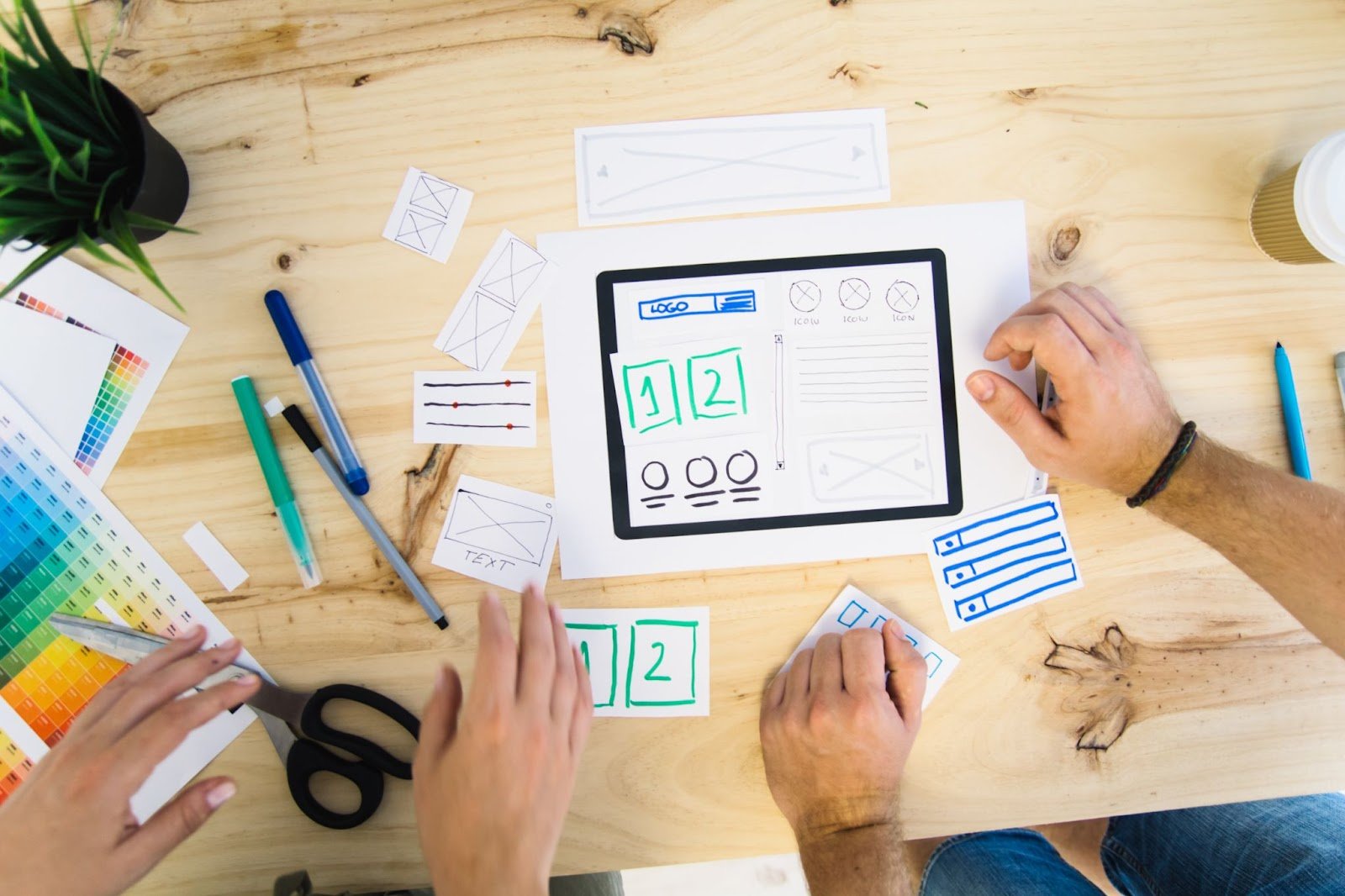
Introduction
Attention has become one of the most valuable resources in the digital world. Whether you’re building a startup, publishing research, launching a campaign, or growing a personal brand, your audience decides within seconds whether to keep reading or move on. That reality has changed how ideas are shared. Strong information alone is rarely enough; presentation now plays an equally important role.
Today’s most effective communicators understand that visuals are not decoration they’re part of the message itself. Teams that combine clear thinking with compelling design consistently create stronger engagement, better recall, and more meaningful action.
Visual communication has also become more accessible than ever. Businesses, educators, creators, and marketers no longer need large design departments to translate ideas into polished formats. Tools that simplify creative production such as AI poster workflows are helping people move from concept to publication faster while maintaining quality and consistency.
Why Visual Communication Matters More Than Ever
Information overload isn’t slowing down.
People scroll through endless feeds, newsletters, dashboards, reports, and notifications every day. In crowded environments, strong visuals create structure and reduce cognitive friction. Instead of forcing people to interpret blocks of text, visual formats help ideas become instantly understandable.
Think about the difference between:
- A page of statistics versus a clear infographic
- A lengthy announcement versus a bold campaign visual
- Dense instructions versus a visual guide
The content may be identical, but the experience changes dramatically.
This shift is particularly important for knowledge-driven businesses and insight-focused platforms. Readers increasingly expect information that feels approachable and actionable not overwhelming.
The Rise of Faster Creative Workflows
For years, professional design felt inaccessible to many teams.
Creating polished visuals often required multiple tools, specialist knowledge, and long review cycles. Smaller businesses and independent creators frequently had to choose between speed and quality.
That tradeoff is disappearing.
Modern creative workflows allow teams to:
- Test ideas quickly
- Create multiple variations efficiently
- Adapt content across channels
- Maintain visual consistency
- Reduce production bottlenecks
This doesn’t eliminate the role of designers it elevates it. Instead of spending hours on repetitive tasks, creative professionals can focus on strategy, storytelling, and refinement.
The result is a more agile content ecosystem.
What Great Visual Storytelling Actually Looks Like
Good design attracts attention.
Great visual storytelling creates understanding.
The difference matters.
Effective communication starts by asking a few simple questions:
Who is this for?
A technical audience may prefer clean data-driven visuals.
A consumer audience may respond better to emotional cues and bold messaging.
Understanding audience expectations changes every design decision.
What action should happen next?
Every visual should support a clear outcome:
- Learn
- Subscribe
- Share
- Purchase
- Remember
- Explore further
Without clarity, even beautiful content loses effectiveness.
What is the core message?
Many visuals fail because they attempt to communicate too much at once.
A useful principle: one central message per asset.
When people immediately understand what matters, engagement improves naturally.
Lessons From Brands That Communicate Well
Some of the strongest brands aren’t necessarily the loudest they’re the clearest.
They consistently:
- Use recognizable visual language
- Simplify complex information
- Prioritize readability
- Build trust through consistency
- Match design choices to audience expectations
This approach extends beyond marketing.
Internal presentations, thought leadership pieces, educational content, recruitment campaigns, and product updates all benefit from stronger visual thinking.
Even small improvements in communication design can produce measurable gains in attention and retention.
Practical Ways to Improve Your Content Today
You don’t need a complete redesign strategy to create better visual experiences.
Start here:
1. Reduce visual clutter
If everything stands out, nothing stands out.
Remove unnecessary elements and create space for important ideas.
2. Lead with hierarchy
Guide the eye.
Use headings, spacing, and structure intentionally.
3. Build around a single takeaway
Ask: what should someone remember 24 hours later?
Design around that answer.
4. Create for real environments
People rarely consume content in ideal conditions.
Test readability on mobile devices, different screen sizes, and shorter attention spans.
5. Treat visuals as strategic assets
Every chart, graphic, or presentation contributes to perception and credibility.
Visual communication is no longer optional it’s part of how expertise is demonstrated.
The Future Belongs to Clear Thinkers
Technology continues to accelerate content creation, but volume alone doesn’t create influence.
The organizations and creators that stand out will be the ones that combine insight with clarity, speed with quality, and information with memorable presentation.
Better communication isn’t about making things look impressive. It’s about helping people understand, connect, and act.
That’s where thoughtful visual storytelling becomes more than a creative exercise it becomes a competitive advantage.
Conclusion
The strongest ideas deserve more than visibility they deserve understanding.
As audiences become more selective and digital environments grow noisier, thoughtful design and effective visual communication create real differentiation. The opportunity isn’t simply to produce more content; it’s to make every message easier to absorb and more meaningful to the people receiving it.
When insight and presentation work together, communication becomes something people remember not something they scroll past.
