
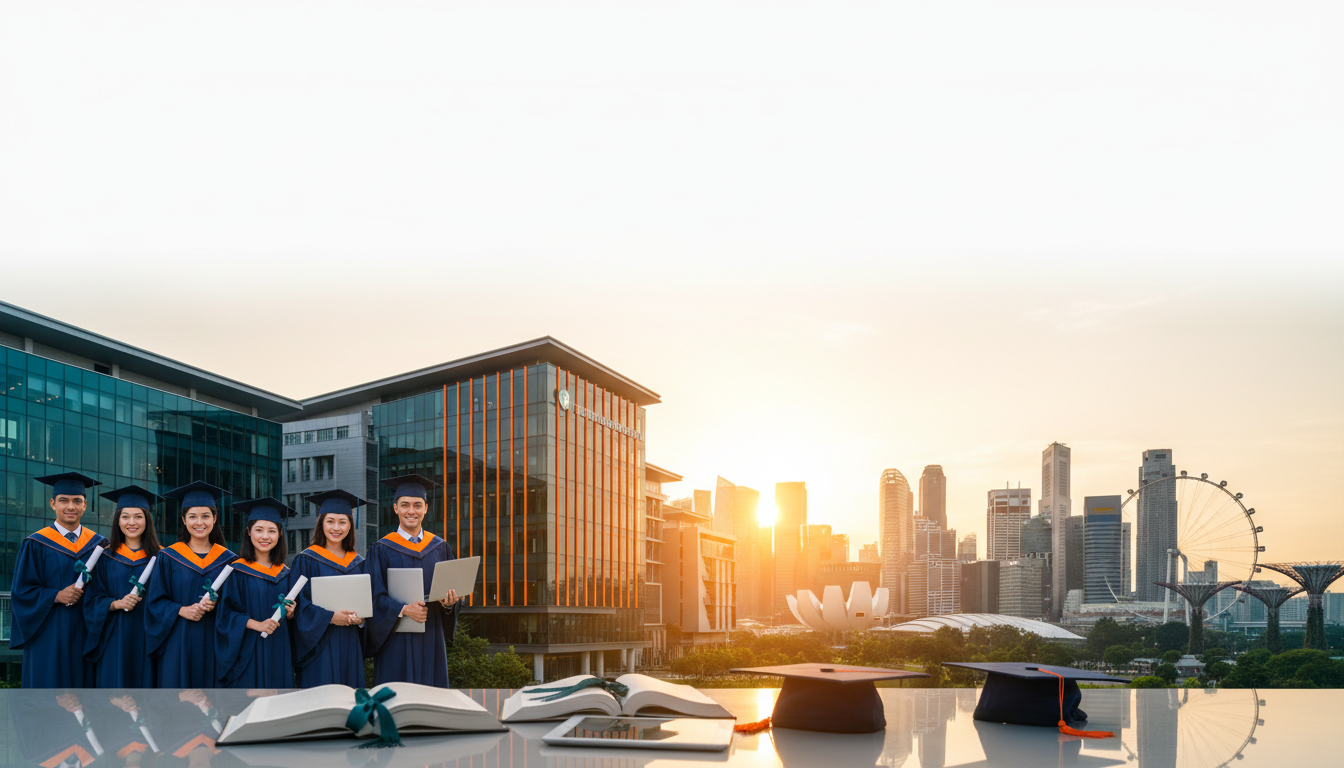
Singapore has become one of the most attractive destinations for postgraduate education. Every year, thousands of international students choose masters in Singapore because of its globally recognized universities, strong economy, multicultural environment, and excellent career opportunities.
Located in the heart of Asia, Singapore offers a unique combination of world-class education, industry exposure, research opportunities, and international networking. Students benefit from modern campuses, advanced learning facilities, and direct access to multinational companies operating across finance, technology, healthcare, engineering, and business sectors.
For students seeking academic excellence and career growth, pursuing masters in Singapore can be a strategic investment. The country consistently ranks among the world’s leading education hubs and attracts talented students from Asia, Europe, the Middle East, and Africa.
This guide covers everything prospective students need to know, including universities, admission requirements, tuition costs, scholarships, career opportunities, and practical tips for studying in Singapore.
Why Choose Masters in Singapore?
Many students compare postgraduate options in countries such as the United States, the United Kingdom, Canada, and Australia. Singapore stands out because it combines academic quality with strong employment prospects.
A master’s degree from Singapore is highly respected by employers worldwide. Universities collaborate closely with industries, ensuring programs remain aligned with current market demands.
Key advantages include:
- Globally recognized degrees
- Strong graduate employability
- Safe and modern environment
- English as the primary teaching language
- Excellent public transportation
- Access to multinational companies
- Strong research and innovation ecosystem
- Opportunities for international networking
Another major advantage is the shorter program duration. Many master’s programs can be completed within one to two years, allowing students to enter the workforce sooner while reducing overall education costs.
Top Universities for Masters in Singapore
Singapore is home to several prestigious institutions that attract students from around the world.
Leading Universities
| University | Popular Master’s Programs | Duration |
| National University of Singapore (NUS) | Business, Engineering, Data Science, Public Policy | 1-2 Years |
| Nanyang Technological University (NTU) | Artificial Intelligence, Finance, Engineering | 1-2 Years |
| Singapore Management University (SMU) | Business Analytics, Economics, Finance | 1-2 Years |
| Singapore Institute of Technology (SIT) | Applied Technology Programs | 1-2 Years |
| Singapore University of Technology and Design (SUTD) | Design Innovation, Engineering | 1-2 Years |
These institutions are known for academic excellence, research output, and partnerships with global organizations. Many programs include internships, industry projects, and practical learning experiences that strengthen graduates’ career prospects.
Popular Master’s Programs in Singapore
The demand for specialized postgraduate education continues to grow across multiple industries.
Business and Management
A Master of Business Administration (MBA) and related business master’s programs remain among the most sought-after choices. Students gain exposure to leadership, finance, entrepreneurship, and global business strategies.
Data Science and Artificial Intelligence
As organizations increasingly rely on data-driven decisions, programs in Data Science, Machine Learning, and Artificial Intelligence have become highly attractive.
Engineering
Singapore’s advanced industrial sector creates strong demand for engineering professionals in fields such as:
- Mechanical Engineering
- Electrical Engineering
- Civil Engineering
- Chemical Engineering
- Robotics Engineering
Information Technology
Technology-related master’s programs offer pathways into software development, cybersecurity, cloud computing, and digital transformation.
Finance and Economics
Singapore is one of Asia’s leading financial centers, making finance-focused postgraduate degrees particularly valuable.
Admission Requirements for Masters in Singapore
Admission criteria vary depending on the university and program. However, most institutions require similar documentation.
Common Requirements
- Bachelor’s degree from a recognized institution
- Academic transcripts
- Updated CV or resume
- Statement of purpose
- Letters of recommendation
- English language proficiency test scores
- Passport copy
- Application fee payment
Many universities accept IELTS, TOEFL, or equivalent English language qualifications. Some programs may waive language requirements if previous education was completed in English.
Competitive programs often evaluate academic performance, work experience, leadership potential, and professional achievements during the selection process.
Cost of Studying Masters in Singapore
Understanding the financial commitment is an important part of planning postgraduate education.
Estimated Annual Costs
| Expense Category | Estimated Cost (SGD) |
| Tuition Fees | 20,000 – 60,000 |
| Accommodation | 6,000 – 18,000 |
| Food & Living | 4,000 – 8,000 |
| Transportation | 800 – 2,000 |
| Miscellaneous Expenses | 1,000 – 3,000 |
Actual costs vary depending on the university, program, accommodation type, and personal lifestyle.
While tuition fees may appear significant, many students find the return on investment attractive due to strong graduate employment outcomes and competitive salaries.
Scholarships for International Students
Several funding opportunities help reduce the financial burden of postgraduate education.
Scholarship Options
- University merit scholarships
- Research scholarships
- Government-sponsored scholarships
- Industry-sponsored grants
- International student awards
- Academic excellence scholarships
Scholarships may cover full tuition, partial tuition, monthly stipends, or research funding depending on eligibility criteria.
Students are encouraged to begin scholarship applications early because competition can be intense for highly funded programs.
Career Opportunities After Masters in Singapore
One of the strongest reasons students pursue masters in Singapore is the country’s thriving job market.
Major industries include:
- Financial Services
- Information Technology
- Artificial Intelligence
- Healthcare
- Biotechnology
- Engineering
- Logistics
- Digital Marketing
- Consulting
- Manufacturing
Many multinational corporations maintain regional headquarters in Singapore, creating opportunities for graduates to work on international projects.
Employers often value graduates who possess both technical expertise and practical experience gained through internships and university-industry collaborations.
High-Demand Roles
- Data Scientist
- Business Analyst
- Software Engineer
- Financial Analyst
- Project Manager
- Cybersecurity Specialist
- AI Engineer
- Research Scientist
- Operations Manager
Graduates frequently secure employment not only in Singapore but also across Asia-Pacific markets.
Student Life in Singapore
Life as a postgraduate student in Singapore extends beyond academics.
The country offers a vibrant multicultural environment where students can experience diverse traditions, cuisines, and cultural events. English is widely spoken, making communication easier for international students.
Benefits of student life include:
- Safe environment
- Modern infrastructure
- Excellent healthcare system
- Efficient public transport
- International student communities
- Networking events
- Professional workshops
Students also gain exposure to a global business environment, helping them develop cross-cultural communication and leadership skills that employers value.
Is Masters in Singapore Worth It?
For many students, the answer is yes.Singapore combines academic excellence, industry relevance, international recognition, and strong career opportunities in one destination. The country’s universities consistently maintain high academic standards while fostering innovation and research.
Students who carefully select programs aligned with their career goals often find that a master’s degree from Singapore provides long-term professional benefits. From networking opportunities to access to high-growth industries, the advantages extend well beyond graduation.
When evaluating postgraduate destinations, Singapore remains one of the strongest options for students seeking quality education and practical career outcomes in a globally connected economy.
