
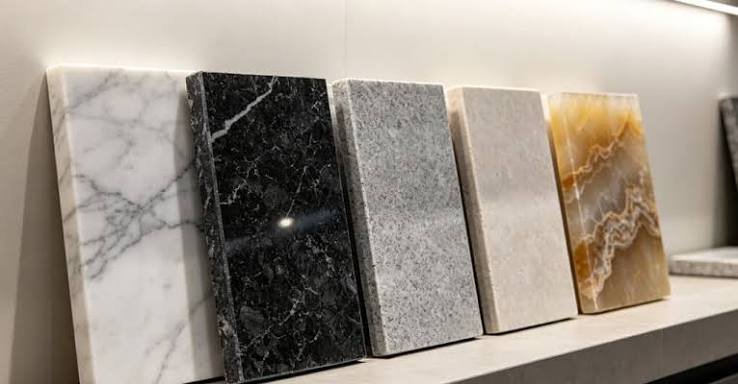
Xiamen has become one of the most recognized stone export hubs in China, especially for marble, granite, quartzite, limestone, travertine, onyx, and custom stone products used in villas, hotels, commercial interiors, apartments, resorts, and public architectural projects. For overseas buyers, Xiamen is not only a city associated with stone trading. It is also connected to a wider supply chain that includes quarry sourcing, slab selection, block purchasing, factory processing, cut-to-size fabrication, polishing, waterjet work, countertop production, wall cladding, stair fabrication, mosaics, packaging, and export logistics.
For developers, contractors, designers, importers, and distributors, choosing a stone supplier in Xiamen can offer practical advantages. The city’s stone industry has developed around international trade, so many suppliers are familiar with export documentation, container loading, overseas communication, packing standards, project drawings, and custom fabrication requirements. This makes Xiamen especially relevant for buyers who need more than standard slabs.
However, being located in Xiamen does not automatically make every supplier reliable. Overseas buyers still need to evaluate material quality, project experience, production capability, communication, inspection process, packing, and delivery control. A strong sourcing hub is helpful, but the final project result depends on the supplier’s ability to manage details from material selection to shipment.
For buyers comparing stone exporters in the region, working with an experienced Xiamen marble supplier can help them better understand material selection, custom marble fabrication, villa and hotel stone applications, inspection requirements, and export packing before placing a project order.
Why Xiamen Became Important in the Stone Industry
Xiamen’s position in the stone industry developed because of its connection to both domestic stone processing networks and international export markets. Over time, the region built strong links between quarries, factories, trading companies, logistics providers, inspection teams, and overseas buyers. This created a business environment where stone materials can be sourced, processed, checked, packed, and shipped to global markets.
The city is also known internationally because many stone buyers, designers, and manufacturers have long used Xiamen as a meeting point for material sourcing and supplier comparison. The local supply chain supports many stone categories, including:
- Marble slabs
- Granite slabs
- Quartzite slabs
- Limestone tiles and panels
- Travertine products
- Onyx slabs and decorative panels
- Cut-to-size stone
- Countertops and vanity tops
- Wall cladding panels
- Stair treads and risers
- Fireplace surrounds
- Mosaics and waterjet patterns
- Exterior paving and landscape stone
This wide product range makes Xiamen useful for buyers managing different types of projects. A hotel developer may need lobby marble, bathroom vanity tops, and corridor wall cladding. A villa owner may need marble flooring, staircases, bathroom walls, and fireplace surrounds. A commercial contractor may need stone counters, feature walls, and exterior materials. Xiamen’s stone network can often support these different requirements through one sourcing region.
Overseas buyers may also compare a stone fabrication and design supplier when reviewing custom fabrication capability, design coordination, project stone packaging, and broader natural stone supply solutions for residential and commercial projects.
The Advantage of a Complete Stone Supply Chain
A strong stone hub is valuable because it provides access to many parts of the procurement process in one region. Stone buyers do not only need materials. They often need a supplier who can coordinate several project stages.
A complete stone supply chain may include:
- Material sourcing
- Slab selection
- Sample preparation
- Full slab photo approval
- Cut-to-size processing
- Edge polishing
- Surface finishing
- Countertop fabrication
- Stair and wall panel production
- Quality inspection
- Export packing
- Container loading
- Shipping documentation
For overseas buyers, this type of supply chain can save time. Instead of working with separate companies for material selection, processing, packing, and export, buyers can work with suppliers that coordinate multiple steps.
This is especially useful for high-end projects where natural stone needs to be delivered as finished project components, not only raw materials.
Why Xiamen Appeals to Overseas Buyers
Xiamen appeals to overseas stone buyers because it combines material access, processing experience, and export familiarity. Many suppliers in the region communicate with international buyers regularly, so they understand common questions about thickness, finish, packing, quantity, lead time, container loading, and documentation.
International buyers often look for a China marble supplier when they need broad stone options, export experience, application knowledge, and project supply support for marble, granite, quartzite, limestone, travertine, and other natural stone materials.
For overseas buyers, the advantages of sourcing from Xiamen may include:
- Wide access to different natural stones
- Familiarity with international project requirements
- Custom fabrication options
- Export packing experience
- Container loading support
- Communication with global buyers
- Ability to provide slab photos and inspection images
- Support for villa, hotel, residential, and commercial projects
However, buyers should still compare suppliers carefully. The city provides a strong sourcing environment, but each supplier has different strengths. Some may be better at standard slab export. Some may be stronger in cut-to-size fabrication. Others may specialize in villa projects, hotel packages, countertops, or decorative stone.
Common Stone Products Exported from Xiamen
Xiamen stone exporters supply a wide range of products to global markets. The product type usually depends on the buyer’s project and local fabrication capacity.
Marble Slabs
Marble slabs are often purchased by importers, distributors, fabricators, and project buyers. Slabs may be used locally for cutting into floors, walls, countertops, vanity tops, and special pieces. Buyers should request full slab photos before ordering because marble varies naturally by slab and batch.
Cut-to-Size Marble Panels
Cut-to-size panels are commonly used in hotels, villas, apartments, and commercial interiors. These panels are processed according to project drawings and may be used for flooring, walls, bathrooms, lobbies, and elevator areas.
Countertops and Vanity Tops
Countertops and vanity tops require accurate fabrication. Sink cutouts, faucet holes, edge profiles, backsplash details, and polishing quality all matter. For hotel projects, repeated vanity tops should be labeled by room or area.
Stair Treads and Risers
Stone staircases require accurate measurements and good edge finishing. Stair treads, risers, landings, and side panels must be processed carefully because installation tolerances can be strict.
Wall Cladding and Feature Panels
Wall cladding is common in hotels, villas, offices, and retail spaces. Feature panels may require bookmatching, vein matching, or dry layout before packing. These details are especially important for luxury interiors.
Exterior and Landscape Stone
Granite, basalt, limestone, travertine, and other stones may be used for exterior paving, walls, steps, pool areas, and landscape design. Finish selection is important because exterior stone may face weather, water, sunlight, and heavy use.
How Xiamen Supports Villa and Hotel Stone Projects
Villa and hotel projects often require more coordination than standard product orders. A private villa may need unique stone selections and custom details, while a hotel may require repeated pieces and consistent batch control.
For Luxury Villas
Luxury villas may require:
- Marble entrance flooring
- Living room feature walls
- Bookmatched marble panels
- Bathroom wall cladding
- Vanity tops
- Staircases
- Fireplace surrounds
- Kitchen islands
- Pool house stone
- Outdoor terrace stone
In villa projects, the buyer usually cares about visual impact, material uniqueness, and custom details. Full slab approval and layout planning are important because the stone often becomes part of the home’s main design identity.
For Hotel Projects
Hotels may require:
- Lobby flooring
- Reception counters
- Guest bathroom vanity tops
- Shower wall panels
- Elevator surrounds
- Corridor wall cladding
- Public restroom stone
- Restaurant and bar counters
- Staircases
- Spa and pool area stone
In hotel projects, consistency and organization are very important. The supplier may need to label pieces by floor, room number, area, and installation sequence. This helps contractors install materials more efficiently.
What Buyers Should Check Before Choosing a Xiamen Stone Supplier
Xiamen has many stone suppliers, but buyers should evaluate them objectively. The right supplier depends on the project type, material requirements, fabrication scope, and delivery schedule.
1. Material Range
Buyers should check whether the supplier can offer the required stone types and whether the materials are available in the needed quantity. For large projects, batch consistency and slab availability are important.
Questions to ask:
- What materials are currently available?
- Can full slab photos be provided?
- Are matching slabs available?
- What thickness options are available?
- Are alternative materials available if the first choice is limited?
2. Application Knowledge
A reliable supplier should understand how different stones are used in real projects. A marble used for a feature wall may not have the same requirements as marble used for a bathroom floor or kitchen countertop.
The supplier should be able to discuss:
- Interior wall use
- Flooring use
- Bathroom use
- Countertop use
- Stair use
- Outdoor use
- Hotel and villa applications
- Maintenance considerations
3. Fabrication Capability
Some suppliers mainly sell slabs, while others can provide more complete fabrication services. Buyers should confirm whether the supplier can process cut-to-size pieces, countertops, vanity tops, stairs, wall panels, and special shapes.
Fabrication services may include:
- Cutting
- Polishing
- Edge profiling
- Sink cutouts
- Faucet holes
- Waterjet cutting
- Bookmatched layout
- Stair processing
- Countertop fabrication
- Wall panel numbering
4. Quality Control
Quality control should happen before shipment. Buyers should request inspection photos or reports showing the finished pieces, dimensions, surface finish, quantity, and packing condition.
Inspection may include:
- Color check
- Surface finish check
- Thickness check
- Dimension check
- Edge processing check
- Cutout check
- Quantity check
- Label check
- Packing check
5. Export Packing
Packing is especially important for international stone orders. Natural stone is heavy and can be damaged at edges, corners, and cutouts if not packed properly.
Good export packing may include:
- Strong wooden crates
- Internal supports
- Foam or protective separators
- Corner protection
- Surface protection
- Waterproof covering
- Clear crate marks
- Packing lists
- Loading photos
For project orders, labels should match the room or installation area.
The Role of Full Slab Approval
Natural stone is not uniform. Even slabs from the same stone type can vary in color, veining, movement, and texture. For this reason, full slab approval is one of the most important steps in stone export projects.
Full slab approval is especially important for:
- Marble feature walls
- Hotel lobbies
- Villa bathrooms
- Reception counters
- Kitchen islands
- Bookmatched panels
- Elevator surrounds
- Large flooring areas
Small samples can help buyers understand basic color, but they cannot show the full pattern. Buyers should request full slab photos, close-up images, slab numbers, and dry layout photos when needed.
Why Communication Matters in Export Projects
International stone sourcing depends heavily on communication. Buyers, designers, contractors, and suppliers may all be in different locations. If instructions are unclear, mistakes can happen during production.
Good communication should include:
- Written quotation details
- Material confirmation
- Slab photo approval
- Drawing confirmation
- Finish confirmation
- Fabrication approval
- Inspection photo review
- Packing list review
- Shipping schedule updates
Suppliers should ask questions before production. Buyers should also provide complete drawings and written instructions. This helps both sides avoid assumptions.
Common Mistakes When Sourcing Stone from Xiamen
Mistake 1: Choosing Only by Price
Low price is attractive, but it may not include proper material selection, fabrication, inspection, packing, or labeling. Buyers should compare the full scope of service.
Mistake 2: Approving Only Small Samples
Small samples do not show full slab movement. For important areas, real slab approval should happen before cutting.
Mistake 3: Ignoring Fabrication Details
Custom stone needs accurate dimensions, edge profiles, cutouts, and labels. Incomplete details can create installation problems.
Mistake 4: Not Checking Packing
Poor packing can cause damage during shipping. Packing should be confirmed before loading.
Mistake 5: Not Labeling Project Pieces
For hotels, villas, and apartment projects, labels help installers identify where each piece belongs. Weak labeling can delay installation.
Practical Checklist for Overseas Buyers
Before choosing a Xiamen stone supplier, buyers can use this checklist.
Supplier Review
- Company background checked
- Product range reviewed
- Project experience confirmed
- Export experience reviewed
- Communication quality evaluated
Material Review
- Stone type selected
- Full slab photos requested
- Thickness confirmed
- Finish confirmed
- Quantity checked
- Matching needs reviewed
Fabrication Review
- Drawings provided
- Dimensions confirmed
- Edge profiles confirmed
- Cutouts confirmed
- Wall panel layout reviewed
- Stair details checked
- Room labels planned
Quality and Export Review
- Inspection photos required
- Packing method confirmed
- Crate marks confirmed
- Loading photos requested
- Delivery terms confirmed
- Shipping schedule reviewed
This checklist helps buyers compare suppliers more clearly and reduce project risk.
FAQ
1. Why is Xiamen famous for stone export?
Xiamen is known for stone export because it has strong connections to China’s stone processing, trading, fabrication, and export networks. Buyers can source marble, granite, quartzite, limestone, travertine, onyx, cut-to-size panels, countertops, vanity tops, wall cladding, stairs, mosaics, and custom stone products through suppliers in the region.
2. Is Xiamen a good place to source marble?
Xiamen can be a practical place to source marble because many suppliers in the region are familiar with international buyers, slab selection, custom fabrication, export packing, and container shipping. However, buyers should still evaluate each supplier’s material quality, project experience, communication, inspection, and packing standards.
3. What should I ask a Xiamen marble supplier before ordering?
Buyers should ask about slab availability, full slab photos, thickness, finish, fabrication capability, cut-to-size service, edge profiles, cutouts, inspection photos, packing method, labels, production lead time, and export documents. For project orders, room-by-room labels should also be discussed.
4. Can Xiamen suppliers provide cut-to-size stone?
Many Xiamen stone suppliers can provide cut-to-size stone, including floor panels, wall panels, vanity tops, countertops, stair pieces, thresholds, skirting, and custom shapes. Buyers should provide accurate drawings and confirm dimensions before production begins.
5. How can buyers reduce risk when importing stone from Xiamen?
Buyers can reduce risk by preparing clear project information, requesting full slab photos, approving real materials, confirming drawings, checking fabrication details, reviewing inspection photos, confirming packing, and requiring labels by room or installation area.
Conclusion
Xiamen is a strong hub for marble and natural stone export because it combines material access, processing capability, fabrication services, export experience, and international buyer communication. For villas, hotels, resorts, commercial interiors, and residential projects, this can help buyers source a wide range of stone products through a mature supply chain.
However, successful stone sourcing depends on careful supplier evaluation. Buyers should look beyond price and review material quality, full slab approval, fabrication ability, inspection process, packing standards, labeling, and communication. When these details are managed well, Xiamen can be a practical sourcing base for high-end marble and natural stone projects worldwide.
