
Every family pictures it the same way. The puppy bounds in, the kids squeal with excitement, and everyone lives happily ever after. In reality, a puppy introduction without any preparation can leave the new pup frightened, the children disappointed, and existing pets on edge.
The first few meetings between a puppy and the people or animals it will share a home with set the pace for weeks of behaviour ahead. If you rush those meetings, you’ll spend the weeks ahead unpicking problems that a little preparation would have prevented.
That’s exactly why families reach out to Oodle Pups with questions about introducing a new dog to children and other pets. This guide walks through the whole process in order.
Before Your New Puppy Comes Home: What to Set Up First
Believe it or not, a little groundwork before arrival day makes those first few days far less stressful for everyone involved.
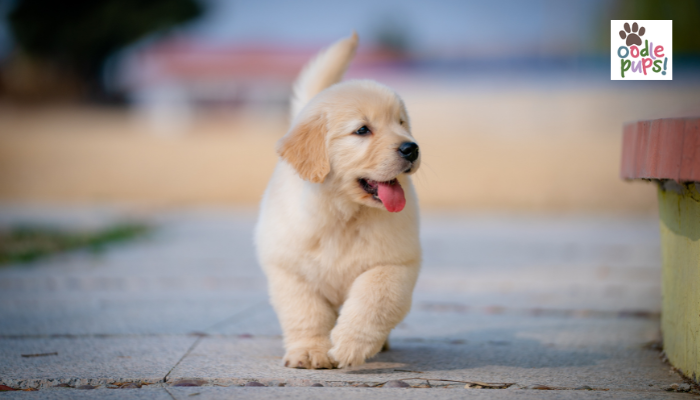
First, pick a low-traffic spot in the house and set up a crate with a soft blanket and a couple of toys. That space gives the pup somewhere to rest, eat, and sleep without feeling exposed to the whole household at once (especially in those first overwhelming days).
Unfortunately, most families skip this step entirely and wonder why their puppy spends the first week hiding or barking at everything. Each young dog has a natural desire for safety and predictability, and that quiet corner delivers exactly that.
If you have existing dogs at home, keep an eye on how they react to the new setup too. Their curiosity about an unfamiliar smell is a useful first step toward the introductions themselves.
Puppy Introduction to Children: How to Get It Right
Children naturally want to jump straight in, and honestly, who can blame them? But that burst of excitement is usually the first thing that sends a new pup into a spin. A calm, structured first meeting, on the other hand, gives everyone a fair shot.
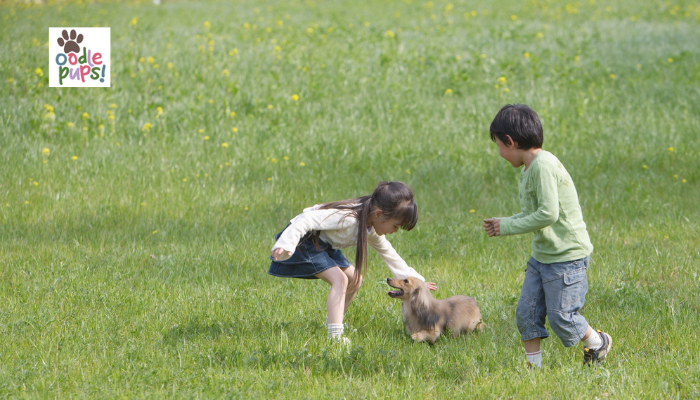
The two things worth getting across to your family before anyone meets the puppy are:
What Your Puppy’s Body Language Is Actually Telling You
Puppies give clear warning signals well before a situation turns stressful, but most people simply do not know what to look for.
A tail low to the ground, avoiding eye contact, or a pup trying to back away are all signs the dog feels frightened rather than curious (by the time the growl comes, the puppy has usually been uncomfortable for a while).
On the flip side, soft eye contact, a relaxed body, and loose movement all signal the puppy feels calm and ready to engage. That is the moment to let children move a little closer.
Teaching Kids the Right Way to Greet a New Dog
If you want your kids and new dog to build a genuine bond early on, how they first approach each other is just as important as how often they interact.
Start by teaching children to crouch down, stay quiet, and let the pup sniff their hand before any contact. Also remind them of these three things:
- No grabbing
- No hug attempts
- No running directly toward the puppy
Playing together works best in short bursts too. Brief, supervised sessions keep the pup from feeling overwhelmed and stop biting or jumping before those habits take hold. With a bit of respect on both sides, most kids and puppies become fast friends within days.
That same patient approach applies just as much with the other animals already living at home.
Introducing Your Oodle Puppy to the Family Pets
How you bring your oodle puppy home to existing family pets can mean the difference between a lasting friendship and ongoing tension.
At Oodle Pups, our girls Pip and Rosie both share a home with other animals. That experience has shown us that the meetings that work are never the hurried ones.
Here’s how to handle it, depending on what animals you already have at home:
Dog-to-Dog Introductions: A Step-by-Step Approach
The safest dog-to-dog introduction always starts on neutral ground, somewhere neither dog feels the need to protect its territory.
So take both dogs for a walk in a park or quiet street before bringing the new pup inside. Letting them move alongside each other naturally, rather than forcing a face-to-face meeting, takes a lot of the pressure off. And most adult dogs respond far better to a side-by-side approach than a head-on greeting.
While you do that, keep both on a loose lead and watch their posture carefully. Stiff body language, hard staring, or raised hackles are all signs to calmly redirect. Once both dogs feel comfortable around each other, gradually remove those leads in a controlled space.
Pro Tip: Bring treats on that first walk and reward good behaviour from both dogs. It links the other dog’s presence to a positive experience right from the start.
Bringing a Puppy Home to Cats and Smaller Pets
Cats and small animals need a completely different approach, and skipping that step is where most families run into trouble.
Start by giving the cat or smaller furry pet full access to the whole house while the puppy stays in its designated area. That way, the resident animal can investigate the new smell on its own terms without feeling cornered. Cats in particular prefer to set the pace themselves (and they will make their feelings very clear if you try to rush it).
For rabbits, guinea pigs, or birds, always keep the puppy on a lead during any shared time and never leave them unsupervised. Positive experiences in those first few meetings build the kind of calm, relaxed dynamic that makes life easier for every animal involved.
Knowing When to Intervene Early Saves a Lot of Stress
Sometimes the most useful thing you can do during a tense moment is step in quietly before it has a chance to escalate. When you hesitate and hope things sort themselves out, that split-second window to redirect closes fast.
A quick reference for what to watch for and what to do:
| Warning Sign | What It Means | What to Do |
| Growling or snapping | Pup is at its limit | Separate calmly, no punishment |
| Prolonged freezing | Dog is deciding its next move | Redirect with a quiet command |
| Excessive barking | Overstimulated or anxious | Remove from situation, allow rest |
| Relentless chasing | Play has gone too far | Break it up, give both animals space |
| Ears pinned back | Young pup feels threatened | End the interaction immediately |
To be honest, good behaviour rarely just happens on its own. It builds through consistent, well-timed corrections that set clear boundaries for every dog at home.
Quick Tip: Tired young puppies are far more likely to snap or react poorly, so always keep an eye on energy levels during any interaction and wrap things up before anyone gets worn out.
Once you can read those moments reliably, a bit of structured training speeds the whole process up considerably.
Simple Dog Training Habits the Whole Family Can Follow
Consistency is what actually moves the needle in dog training rather than complexity.
Multi-generational oodle breeds, like the ones raised at Oodle Pups, respond particularly well to positive reinforcement because of how people-focused their temperament naturally is. After all, it’s much easier to teach a pup that genuinely wants to please than one that couldn’t care less.
If you’re looking to get your whole family on the same page, these tips also help:
- Short Sessions Work Best: Keep training to 5 to 10 minutes at a time. Anything longer pushes a young pup past its concentration limit and quietly undoes the progress you just made.
- One Command, One Meaning: Each family member needs to use the same words the same way. Say “down” means lie flat for one person but stop jumping for another, and the pup will simply tune everyone out.
- Reward the Moment: Timing is everything with food rewards. Hand the treat over at the exact second good behaviour happens, because a few seconds late and the association simply does not form the way you want it to.
- New People, Same Rules: Once your pup sits and responds reliably at home, take that practice somewhere busier. You’ll genuinely test and build that consistency in quieter spots outside the house.
At the end of the day, the families that see the fastest progress are the ones where every person in the house follows the same routine without exception.
A Fresh Start for Your Family and Your New Pup
Every pup adjusts at its own pace, and that is completely normal. Some bonds form in a day, others take a few weeks. Each introduction builds a little more trust, and the household gradually settles into a new normal.
Of course, no two families are the same, and neither are their pets. The best start you can give your new dog is patience, structure, and the confidence of knowing you got day one right.
If you’re looking for support beyond this guide, Oodle Pups is here to help. Your pup doesn’t have to figure out this new chapter alone, and frankly, neither do you.
Reach out, and we’ll help you find your footing.
