
The renewable energy industry has spent years encouraging people to generate electricity from the sun, yet one important question is becoming more relevant than ever: what happens after that electricity is produced? Generating clean energy is only the first step. The real advantage comes from deciding when and how that electricity is used. As energy demand continues to evolve, businesses and homeowners are no longer satisfied with simply producing solar power. They want greater control over it.
That shift is changing the conversation around battery storage. Instead of being viewed as an optional add-on, a lithium ion solar battery is becoming the technology that transforms solar panels into a complete energy ecosystem. It stores electricity when production is high, releases it when demand increases, and helps users rely less on unpredictable grid conditions. Rather than reacting to changes in electricity availability, users gain the flexibility to manage their own energy according to their needs.
In 2026, this ability to control energy is proving just as valuable as generating it. Across residential properties, commercial facilities, farms, educational institutions, and industrial operations, battery storage is quietly redefining what true energy independence actually means.
Energy Independence Starts With Control, Not Generation
Many people associate energy independence with installing solar panels.
While solar generation is important, panels alone cannot provide complete independence because sunlight changes throughout the day. Morning, evening, cloudy weather, and seasonal differences all affect electricity production.
Battery storage solves this challenge by allowing energy to remain available regardless of when it was generated.
This transforms renewable energy from a daytime resource into an all-day solution.
Every Kilowatt Has Greater Value When It Can Be Saved
Producing electricity without storage often creates unnecessary waste.
When demand is low but solar production is high, excess electricity may leave the property without providing its full financial or operational value.
A battery system changes that relationship by preserving surplus electricity until it becomes useful.
Instead of measuring solar performance only by generation, users begin measuring how effectively that energy is utilized throughout the entire day.
Reliable Storage Supports Smarter Decision Making
Modern energy management is becoming increasingly data driven.
Battery systems now provide detailed information about charging cycles, electricity consumption, available capacity, and system performance.
These insights allow businesses and homeowners to understand their energy habits, identify inefficiencies, and make more informed operational decisions.
Electricity becomes something that can be managed intelligently rather than simply consumed.
Growing Businesses Need Flexible Energy Infrastructure
Business expansion usually increases electricity demand.
Additional machinery, automation, warehouse equipment, production lines, and digital technologies all require dependable power.
A scalable battery solution allows organizations to increase storage capacity as operations grow instead of redesigning their entire energy infrastructure.
Flexibility today reduces future investment challenges.
Cleaner Energy Becomes More Practical
Renewable electricity achieves its greatest environmental value when every available unit can be used efficiently.
Battery storage helps reduce unnecessary reliance on conventional electricity by making stored solar power available during periods when renewable generation decreases.
This improves overall system efficiency while supporting sustainability objectives without changing everyday operations.
The cleaner the energy utilization, the greater the environmental benefit.
Modern Batteries Are Designed for Everyday Performance
Technology has advanced significantly in recent years.
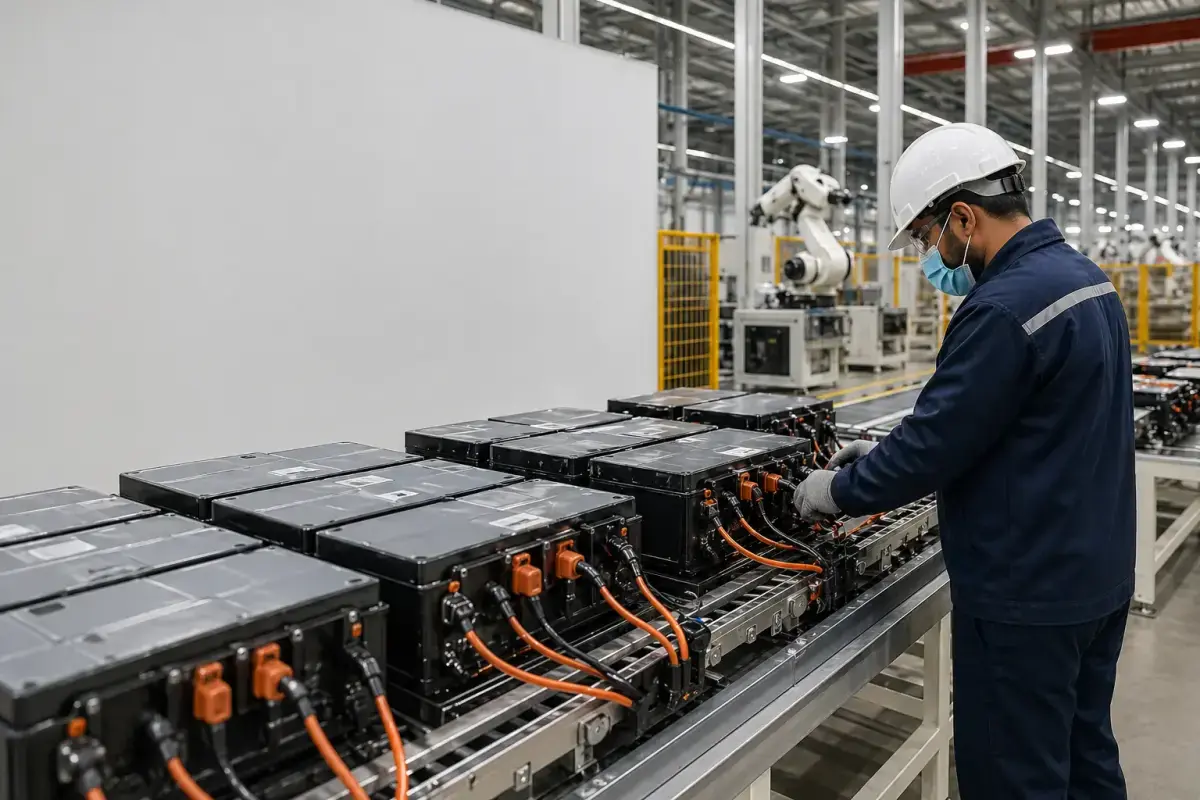
Today’s lithium-ion batteries combine intelligent battery management systems, high energy density, rapid charging capability, and durable construction into compact solutions suitable for a wide variety of environments.
Instead of requiring constant maintenance, these systems are engineered for dependable daily operation over many years.
Reliability has become one of their strongest advantages.
Energy Security Is Becoming a Business Priority
Electricity interruptions affect more than equipment.
They influence productivity, customer service, communication, inventory management, and operational planning.
Organizations that strengthen their energy infrastructure are often able to continue operating while minimizing disruption during unexpected grid instability.
Long-term resilience creates stronger business confidence.
Supporting Homes Beyond Basic Backup Power
Residential battery storage has evolved rapidly.
Instead of functioning only during emergencies, homeowners now use stored solar electricity to power evening appliances, reduce dependence on utility providers, and improve everyday energy efficiency.
A modern lithium ion solar battery helps families maximize renewable energy while creating greater flexibility in how household electricity is managed throughout the year.
This represents a significant step toward practical energy independence.
Future Communities Will Depend on Intelligent Storage
Cities are becoming smarter every year.
Electric vehicles, connected buildings, renewable infrastructure, automated industries, and digital technologies all require electricity that is both reliable and flexible.
Battery storage helps balance these changing demands by improving how renewable energy is stored, distributed, and utilized across different environments.
As communities continue modernizing, intelligent storage will become an increasingly important part of sustainable infrastructure.
Investing in Control Instead of Uncertainty
Energy markets continue changing.
Utility prices fluctuate, demand increases, and weather conditions remain unpredictable.
Rather than depending entirely on external electricity sources, users are investing in technologies that allow them to control their own energy more effectively.
Battery storage offers stability in an environment where uncertainty has become increasingly common.
Conclusion
Solar panels generate clean electricity, but battery storage determines how much of that energy ultimately benefits the user. Investing in a lithium ion solar battery allows homeowners and businesses to capture more renewable power, improve operational flexibility, reduce unnecessary waste, and strengthen long-term energy resilience.
As renewable technology continues advancing throughout 2026, intelligent battery storage will play an even greater role in creating self-sufficient energy systems that deliver reliability, efficiency, and sustainability far beyond simple electricity generation.
Frequently Asked Questions
1. Why is battery storage important for solar energy?
Battery storage preserves excess solar electricity so it can be used whenever energy demand increases or sunlight decreases.
2. Can lithium-ion batteries improve energy independence?
Yes. They reduce reliance on the electrical grid by allowing users to store and manage their own renewable electricity.
3. Are lithium-ion batteries suitable for commercial applications?
Absolutely. They are widely used in commercial, industrial, agricultural, and institutional energy systems because of their scalability and efficiency.
4. Do lithium-ion solar batteries require regular maintenance?
Most modern systems require minimal maintenance thanks to advanced battery management technology and durable construction.
5. Is investing in lithium-ion battery storage worthwhile?
For many residential and commercial solar users, battery storage improves renewable energy utilization, operational flexibility, and long-term energy reliability, making it a valuable addition to modern solar systems.
