
Table of Contents
1. Introduction: Beyond the Swag Bag
2. Understanding Your Audience: The Foundation of Effective Promotion
3. Defining Your Objectives: What Do You Want to Achieve?
4. The Power of Practicality and Perceived Value
5. Branding Brilliance: Making Your Mark Memorable
6. Navigating the Promotional Product Landscape: Categories and Considerations
7. Sustainability and Ethical Sourcing: A Modern Imperative
8. Measuring Success: Quantifying Your ROI
9. Budgeting for Impact: Investing Wisely
10. The Future of Promotional Merchandise: Innovation and Integration
Introduction: Beyond the Swag Bag
In a competitive marketplace, standing out is not just an aspiration, it is a necessity. Promotional merchandise, when chosen strategically, transcends mere trinkets and transforms into powerful marketing tools that build brand loyalty, increase visibility, and, most importantly, drive sales. This is not about distributing generic pens or forgettable keychains; it is about crafting a tangible extension of your brand that resonates deeply with your target audience. The Totally Branded ultimate guide aims to illuminate the path to selecting promotional items that do more than just exist; they actively contribute to your business objectives. We will delve into the nuanced considerations that separate effective promotional campaigns from wasteful expenditures, providing you with actionable insights to maximize your return on investment.
Understanding Your Audience: The Foundation of Effective Promotion
The cornerstone of any successful promotional merchandise strategy lies in a profound understanding of your target audience. Without this insight, even the most expensive or innovative item can fall flat. Consider their demographics, psychographics, interests, and daily routines. What problems do they face? What solutions do they seek? What are their aspirations?
Demographics and Psychographics
Go beyond age and gender. Delve into their lifestyle, values, hobbies, and professional roles. A B2B audience, for instance, might appreciate high-quality tech gadgets or executive-level desk accessories, while a consumer audience focused on fitness might prefer branded water bottles or athletic wear. Understanding their purchasing power also influences the perceived value and quality of the items you choose.
Practicality and Relevance
The most effective promotional items are those that genuinely serve a purpose in the recipient’s life. An item that sits in a drawer unused is a wasted opportunity. Think about how your chosen merchandise can seamlessly integrate into their daily activities, becoming a constant, subtle reminder of your brand. A branded travel mug for a commuter, a high-quality notebook for a student, or a durable tote bag for a shopper are all examples of practical items that offer sustained exposure.
Defining Your Objectives: What Do You Want to Achieve?
Before you even begin browsing product catalogs, clearly define what you aim to accomplish with your promotional merchandise. Without specific objectives, measuring success becomes impossible, and your efforts may lack direction.
Brand Awareness and Recognition
If your primary goal is to increase brand visibility, your merchandise should be widely distributed and prominently feature your logo and brand message. Items like apparel, bags, or stationery are excellent for this purpose as they are often seen by many people.
Lead Generation and Customer Acquisition
For campaigns focused on generating new leads, consider items that require an interaction or exchange of information. This could involve offering a desirable item at a trade show in exchange for contact details, or including a QR code on the item that leads to a sign-up page.
Customer Loyalty and Retention
To foster loyalty, choose items that convey appreciation and reinforce your brand’s commitment to its existing customers. Higher-value, thoughtful gifts that align with your brand’s ethos can strengthen relationships and encourage repeat business. Personalized items or exclusive merchandise can be particularly effective here.
Driving Sales for Specific Products or Services
Sometimes, promotional merchandise can directly support the sale of a particular product or service. For example, giving away branded accessories that complement a new tech gadget, or offering a useful item with the purchase of a premium service, can enhance perceived value and incentivize a purchase.
4. The Power of Practicality and Perceived Value
The true value of promotional merchandise is not just its cost, but how much the recipient values it. An item that is perceived as valuable, useful, or desirable will be kept longer, used more frequently, and thus provide greater exposure for your brand.
Utility Over Novelty
While novelty items can grab attention initially, their impact is often fleeting. Prioritize utility. Will this item solve a problem for the user? Will it make their life easier or more enjoyable? A high-quality power bank, a comfortable branded hoodie, or a well-designed reusable water bottle will likely be used far more often than a quirky, single-use gadget.
Quality Reflects Your Brand
The quality of your promotional merchandise directly reflects the perceived quality of your brand. Cheap, flimsy items can inadvertently send a message of low quality or lack of care. Investing in durable, well-made products, even at a slightly higher cost, often yields a much better return in terms of brand perception and longevity of exposure. Consider materials, craftsmanship, and overall finish.
Branding Brilliance: Making Your Mark Memorable
Your logo and brand message are the heart of your promotional merchandise. How they are applied and presented can significantly impact their effectiveness.
Strategic Placement and Size
Ensure your logo is visible but not overwhelming. It should be easily recognizable without detracting from the item’s aesthetic or functionality. Sometimes, a subtle, elegant brand placement can be more impactful than a large, garish one. Consider the item’s natural use and where the eye naturally falls.
Consistent Brand Identity
Every piece of merchandise should align with your overall brand identity, including colors, fonts, and messaging. Consistency builds recognition and reinforces your brand’s personality. If your brand is eco-conscious, for example, choose sustainable merchandise and emphasize that aspect in your branding.
The Story Behind the Item
Can your merchandise tell a story? Perhaps it is made from recycled materials, supports a local artisan, or contributes to a social cause. This narrative adds layers of meaning and can create a deeper connection with your audience, transforming a simple item into a conversation starter.
Navigating the Promotional Product Landscape: Categories and Considerations
The sheer variety of promotional products can be daunting. Categorizing them can help narrow down your options and focus your search.
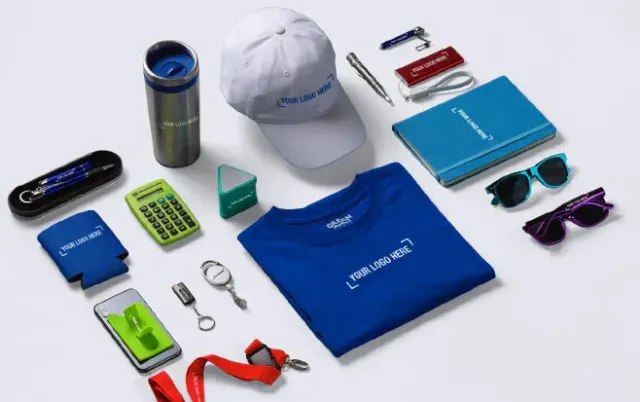
Apparel and Accessories
T-shirts, hoodies, hats, bags, and scarves offer high visibility and can be worn repeatedly. They are walking advertisements, but fit and quality are paramount.
Office and Tech Gadgets
Pens, notebooks, USB drives, power banks, and headphones are popular choices, especially for B2B audiences or events. These items are often used in professional settings, providing consistent brand exposure.
Drinkware
Mugs, water bottles, and tumblers are highly practical and have a long lifespan. They are used daily, offering excellent brand visibility in various environments.
Health and Wellness
Hand sanitizers, lip balms, first-aid kits, and fitness accessories cater to a growing consumer interest in well-being. These can position your brand as caring and health-conscious.
Eco-Friendly and Sustainable Options
Products made from recycled materials, bamboo, or organic cotton are increasingly popular and align with modern values. This category allows your brand to demonstrate corporate social responsibility.
When considering options, think about the distribution method. Are you handing them out at a trade show, mailing them to clients, or including them in a welcome kit? The logistics will influence the size, weight, and fragility of your chosen items.
Sustainability and Ethical Sourcing: A Modern Imperative
Today’s consumers are more conscious than ever about the environmental and social impact of the products they buy. Integrating sustainability into your promotional merchandise strategy is no longer a niche choice but a mainstream expectation.
Eco-Friendly Materials
Opt for items made from recycled content (RPET, recycled paper), sustainable resources (bamboo, cork, organic cotton), or biodegradable materials. This demonstrates your brand’s commitment to environmental stewardship.
Ethical Production Practices
Beyond materials, consider the entire supply chain. Are the products manufactured under fair labor conditions? Are workers paid a living wage? Partnering with suppliers who prioritize ethical sourcing can enhance your brand’s reputation and appeal to a socially conscious audience. Totally Branded prides itself on working with suppliers who adhere to stringent ethical guidelines.
Longevity and Reusability
A truly sustainable promotional item is one that lasts and is reused frequently, reducing waste. A durable reusable bag, a high-quality water bottle, or a long-lasting notebook are far more sustainable than single-use items, regardless of their material composition.
Measuring Success: Quantifying Your ROI
To truly understand the impact of your promotional merchandise, you need a way to measure its effectiveness. This goes beyond simply counting how many items you distributed.
Track Engagement and Redemption
If your merchandise includes a call to action, such as a QR code, a unique discount code, or an invitation to a specific landing page, track the redemption rates. This provides direct insight into how many recipients engaged with your brand further.
Brand Recall and Recognition Surveys
Conduct surveys before and after your campaign to gauge changes in brand awareness and recall among your target audience. Ask specific questions about whether they remember receiving an item, what it was, and what brand it represented.
Social Media Mentions and User-Generated Content
Encourage recipients to share photos of themselves using your branded merchandise on social media. Monitor hashtags and mentions to see how your items are being received and shared organically. This provides valuable social proof.
Sales Impact
While harder to directly attribute, look for correlations between your promotional campaigns and increases in sales, particularly for specific products or services linked to the merchandise. For instance, if you gave away branded accessories for a new product, track sales of that product in the following weeks.
Budgeting for Impact: Investing Wisely
Your budget dictates the scope and quality of your promotional merchandise, but a higher budget does not automatically guarantee better results. Smart allocation is key.
Cost Per Impression (CPI)
Instead of focusing solely on the unit cost of an item, consider its cost per impression. A more expensive item that is used daily for a year will likely have a much lower CPI than a cheaper item that is discarded after one use. Calculate the potential number of times your brand will be seen over the item’s lifespan.
Tiered Approach
Consider a tiered approach where you have different levels of merchandise for different purposes. For example, a lower-cost, high-volume item for general giveaways, a mid-range item for specific events or lead generation, and a premium item for key clients or employee recognition.
Bulk Discounts and Supplier Relationships
Leverage bulk purchasing discounts. Building a strong relationship with a reputable promotional products supplier like Totally Branded can also lead to better pricing, expert advice, and access to a wider range of quality products. They can guide you through options that maximize your budget.
The Future of Promotional Merchandise: Innovation and Integration
The landscape of promotional merchandise is constantly evolving. Staying ahead means embracing innovation and integrating these items into a broader marketing strategy.
Smart Merchandise
The rise of smart technology is influencing promotional products. Think about items with NFC tags, QR codes, or even embedded sensors that connect to digital experiences. This blurs the line between physical and digital, offering unique engagement opportunities.
Personalization and Customization
Mass-produced items are giving way to more personalized options. Whether it is adding individual names, offering choices in color or style, or creating bespoke items for specific campaigns, personalization creates a stronger connection and increases perceived value.
Experiential Marketing Integration
Promotional merchandise can be a powerful component of experiential marketing. Imagine a branded item that enhances an event experience or becomes a souvenir of a memorable interaction. This creates a deeper, more emotional connection with your brand.
By meticulously planning and thoughtfully selecting your promotional merchandise, you are not just giving away items; you are investing in tangible brand ambassadors that actively contribute to your business growth and sales objectives. The strategic application of these principles will transform your promotional efforts from an expense into a powerful, revenue-generating asset.
