
In modern manufacturing environments, maintaining consistent product quality is essential for competitiveness and customer satisfaction. Traditional inspection methods that rely on human workers are often limited by fatigue, subjectivity, and slower processing speeds. As production lines become faster and more complex, manufacturers are increasingly adopting intelligent technologies to improve accuracy and efficiency. Among these innovations, manufacturing defect detection using computer vision and machine learning has emerged as a powerful solution for automated quality control.
Understanding Manufacturing Defect Detection
Manufacturing defect detection refers to the process of identifying flaws or irregularities in products during or after production. These defects can range from surface scratches and cracks to dimensional inaccuracies, assembly errors, and material inconsistencies. In traditional systems, inspectors manually examine products, but this approach is not suitable for high-volume production. Automated systems powered by artificial intelligence now make it possible to detect defects in real time with greater precision and consistency.
Role of Computer Vision in Quality Inspection
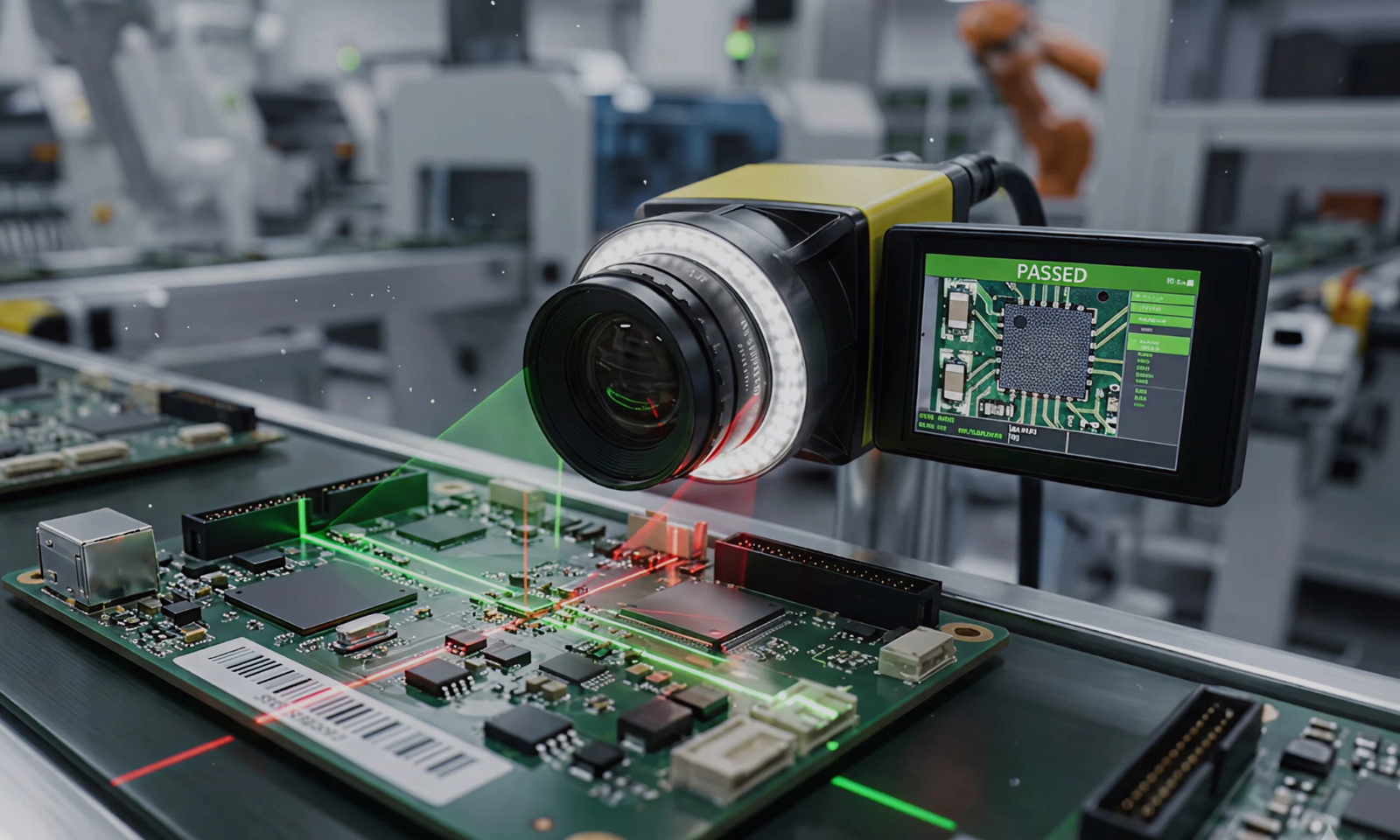
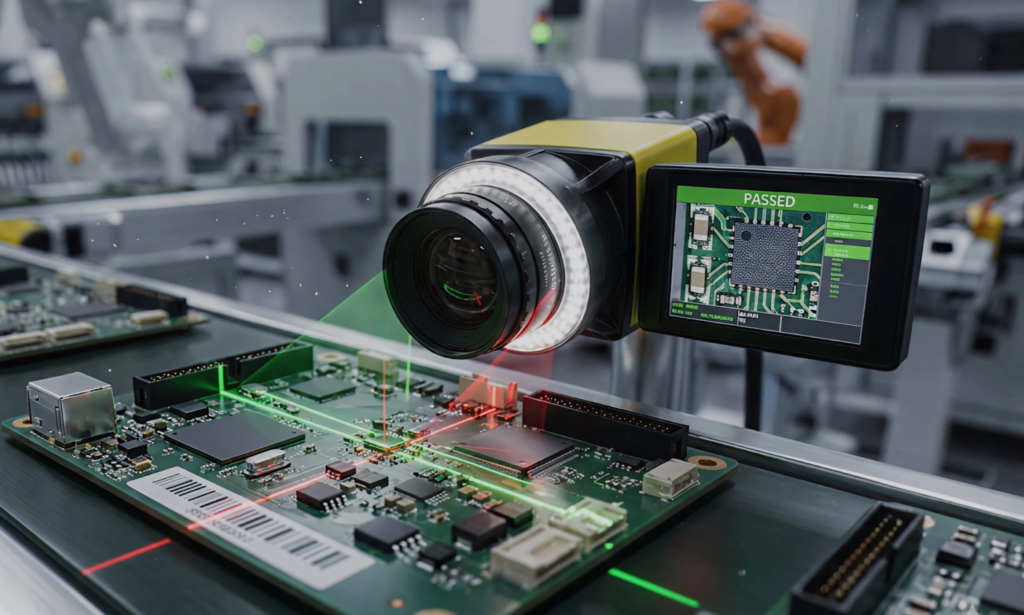
Computer vision plays a central role in automated defect detection systems by enabling machines to interpret visual data from images and videos. In manufacturing setups, industrial cameras capture detailed images of products as they move along the production line. These images are then analyzed using computer vision algorithms that can detect abnormalities in shape, texture, color, and structure. This technology allows manufacturers to perform continuous inspection without slowing down production, ensuring that every item meets quality standards.
Machine Learning for Intelligent Defect Detection
Machine learning enhances computer vision systems by enabling them to learn from data and improve over time. Instead of relying on fixed rules, machine learning models are trained using large datasets of both defective and non-defective products. Over time, the system learns to recognize patterns associated with different types of defects. Once deployed, these models can automatically identify anomalies in new products and adapt to variations in manufacturing conditions, making the system more accurate and reliable.
Integration of Deep Learning Models
Deep learning has significantly improved the performance of manufacturing defect detection systems. Convolutional neural networks are particularly effective at analyzing complex image data and identifying subtle defects that may not be visible to the human eye. These models can process large volumes of visual information and provide highly accurate predictions, making them suitable for industries where precision is critical.
Real-Time Defect Detection in Manufacturing
One of the key advantages of combining computer vision and machine learning is the ability to perform real-time defect detection. As products move along the production line, images are captured and analyzed instantly, allowing defective items to be identified and removed without delay. This real-time capability helps manufacturers reduce waste, minimize production errors, and maintain continuous workflow without interruptions.
Benefits of Automated Defect Detection Systems
Automated manufacturing defect detection systems offer significant advantages over traditional inspection methods. They improve consistency by eliminating human error and ensure that every product is evaluated using the same criteria. These systems also increase production efficiency by operating at high speed without fatigue. Over time, they help reduce operational costs by minimizing scrap, rework, and warranty claims while improving overall product quality.
Industrial Applications of Defect Detection Technology
Manufacturing defect detection using computer vision and machine learning is widely used across multiple industries. In automotive manufacturing, it helps identify structural and surface defects in components. In electronics production, it ensures the accuracy of circuit boards and microchips. In the pharmaceutical sector, it verifies packaging integrity and labeling accuracy. The food industry also uses these systems to detect contamination and packaging errors, ensuring compliance with safety standards.
Challenges in Implementation
Despite its advantages, implementing automated defect detection systems comes with challenges. High-quality datasets are required to train machine learning models effectively, and variations in lighting, camera angles, and production environments can impact accuracy. Additionally, integrating these systems into existing manufacturing infrastructure may require significant planning and investment. Continuous monitoring and model updates are also necessary to maintain performance over time.
Conclusion
Manufacturing defect detection using computer vision and machine learning represents a major transformation in industrial quality assurance. By replacing manual inspection with intelligent automated systems, manufacturers can achieve higher accuracy, faster production speeds, and reduced operational costs. As technology continues to evolve, these systems will play an increasingly important role in ensuring product quality and driving the future of smart manufacturing.
