
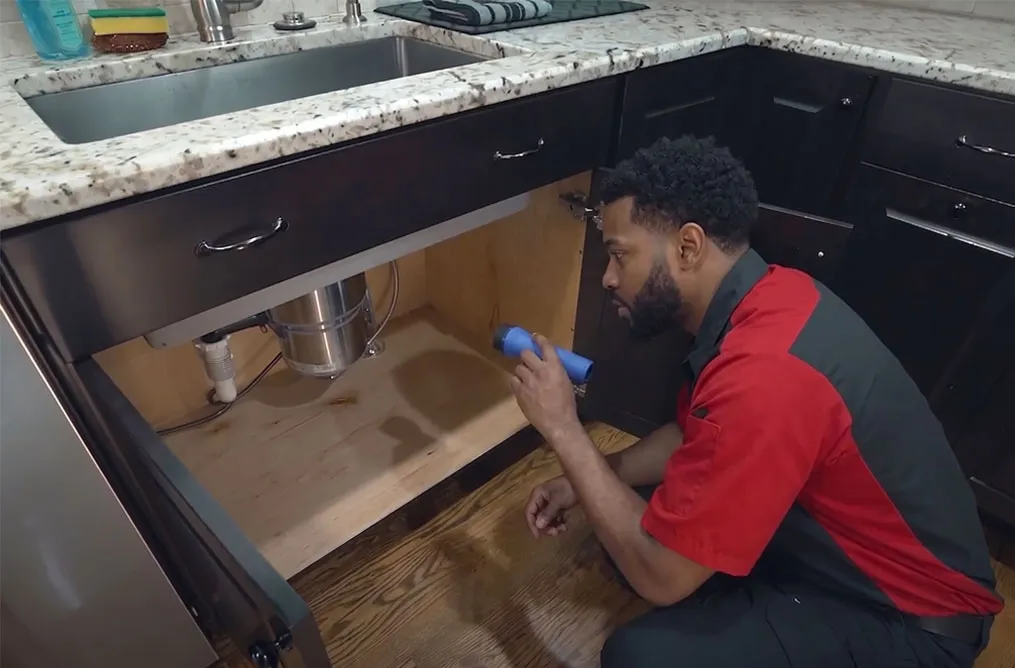
A malfunctioning kitchen sink can bring your entire household to a grinding halt. From preparing meals to cleaning up after dinner, the kitchen sink is the undisputed workhorse of the home. Because it sits at the intersection of heavy daily usage and complex residential plumbing networks, it is prone to wear and tear. Understanding the basics of kitchen sink plumbing repair can save you a massive headache, a soggy under-sink cabinet, and an emergency service fee.
Common Kitchen Sink Plumbing Failures
Most kitchen sink issues originate beneath the basin, where a maze of pipes, seals, and valves work silently together.
- The Persistent P-Trap Leak: The P-trap is the curved pipe beneath your sink designed to hold water and block sewer gases from entering your home. Over time, debris settles in the bend, causing clogs, or the slip nuts loosen, leading to a steady drip.
- Worn Out Strainer Flanges: If water is pooling inside your cabinet but your pipes look completely dry, the culprit is likely the sink strainer. The plumber’s putty used to seal the strainer to the stainless steel or ceramic basin dries out after years of vibration, letting water slip right past the drain opening.
- Faulty Shut-Off Valves: These small turn-valves isolate the sink’s water supply from the rest of the house. Because they are rarely turned, internal rubber gaskets degrade, causing them to leak the moment you actually need to shut down the water supply for a minor fix.
Step-by-Step: Diagnosing and Fixing a Leaky P-Trap
Before calling a local plumbing contractor, a leaky trap is something you can often troubleshoot yourself with a few basic tools.
Step 1
Clear and Isolate the Space
Empty the under-sink cabinet completely. Place a shallow plastic bucket directly beneath the P-trap assembly to catch any residual water standing in the line.
Step 2
Inspect the Slip Nuts
Hand-tighten the plastic nuts at both ends of the curved pipe. If they are metal, use adjustable pliers gently. Wipe the pipe dry and run the sink tap to see if the leak stops.
Step 3
Disassemble and Clean the Trap
If the leak persists, unscrew the nuts fully and drop the P-trap down. Inspect the internal rubber washers; if they are brittle or cracked, replace them. Clean out any built-up sludge or hair accumulations inside the pipe.
Step 4
Reassemble with New Washers
Fit the new washers into place, realign the pipes squarely, and screw the nuts back on. Do not over-tighten plastic threads, as they can easily crack. Remove the bucket and test for leaks.
Knowing When to Call a Licensed Plumber
While replacing a washer is a simple weekend task, complex setups like under-sink garbage disposals, deep-seated main drain line blockages, or copper pipe corrosion require specialized expertise. If you notice structural pipe degradation or if your DIY efforts fail to stop the water damage, calling a certified professional ensures your kitchen plumbing complies with local building codes and protects your home equity from structural rot.
